

party-popper

Upcoming Event Alert: Confused about Business & Compliance?

Uncategorized

how to set up wordpress site
Uncategorized

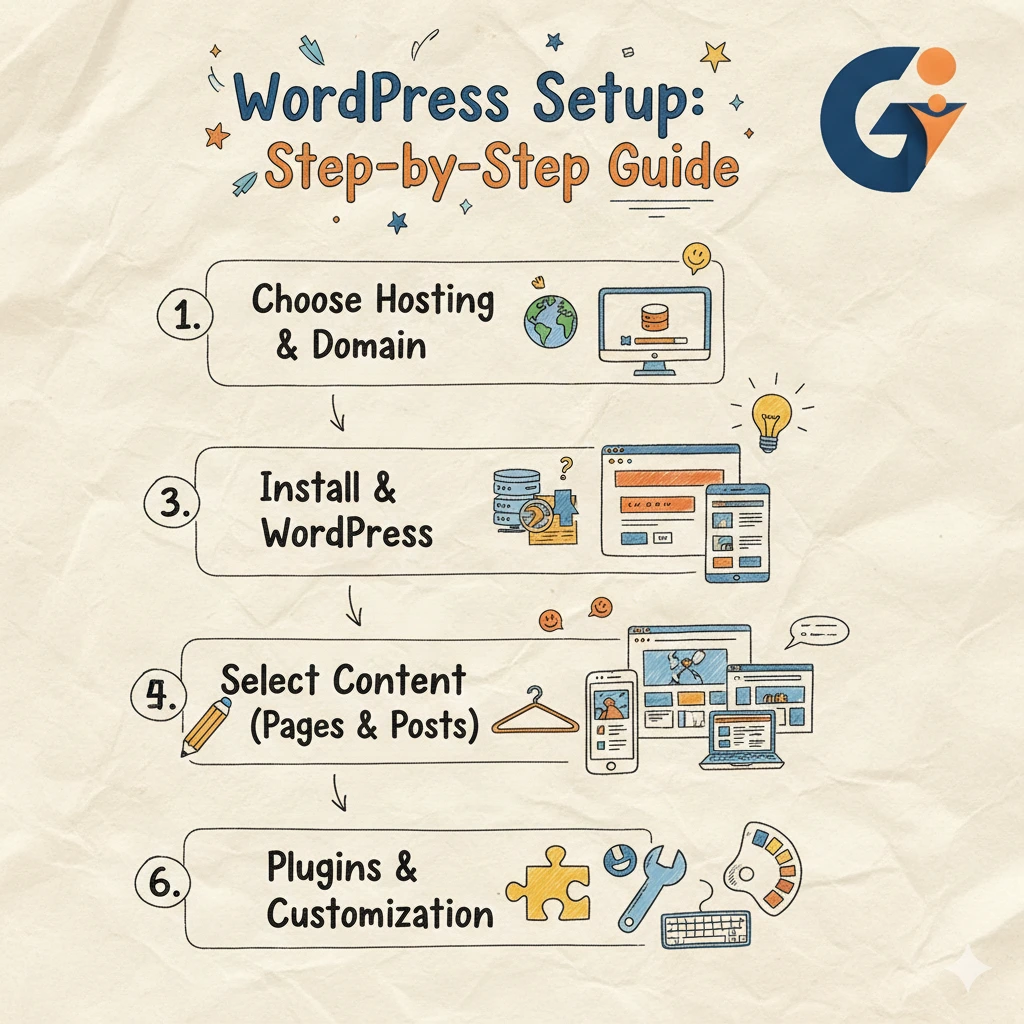
How to Set Up WordPress Site: A Practical Guide for New Business Owners

For most new businesses today, a website is not optional. It is often the first place potential customers learn about your brand, services, and credibility. Yet many new business owners feel unsure when it comes to building a website. Technical terms, hosting decisions, and design choices can quickly become confusing. This is why one of the most searched questions online is how to set up WordPress site correctly without making costly mistakes. WordPress has become the preferred platform for businesses because it balances ease of use with long-term flexibility. You do not need to be a developer to get started, but you do need a clear process. A poorly set-up website can be slow, insecure, and difficult to grow, while a properly configured WordPress site can support marketing, customer trust, and business growth from day one. This guide is written to help new business owners understand each step clearly and build a WordPress site that is professional, reliable, and ready to grow. Why WordPress Is a Smart Choice for Business Websites WordPress is trusted by millions of businesses worldwide because it adapts to different needs. Whether you are running a service-based company, a local business, a food venture, or a growing startup, WordPress can support your goals. One major advantage is ownership and control. You are not locked into a single provider or system. You can customize your site, add features over time, and scale without rebuilding everything. WordPress is also search-engine friendly, which helps businesses appear on Google when customers are actively looking for services. What You Need Before You Set Up a WordPress Site Before starting the installation, it is important to prepare a few essentials. Many beginners rush into setup and later realize they need to redo important parts. You should start with a clear domain name that matches your brand and is easy to remember. Choosing a reliable hosting provider is equally important because hosting affects website speed, security, and uptime. It also helps to be clear about your business goals, your target audience, and the main purpose of your website. Even simple planning at this stage can prevent confusion later. How to Set Up WordPress Site Step by Step Understanding how to set up WordPress site becomes much easier when the process is broken down into simple steps. Most hosting providers now offer one-click WordPress installation, which removes the need for technical knowledge. After installation, you will receive access to the WordPress dashboard. This is where you control your website’s content, design, and settings. The first thing you should do is update WordPress to the latest version and set your site title and tagline. These details are visible to search engines and visitors, so they should clearly represent your business. Choosing the Right Theme for Your Business Your theme determines how your website looks and how visitors experience it. For business websites, clarity and performance matter more than visual complexity. A good theme should be mobile-friendly, load quickly, and allow easy customization. Many new business owners choose themes based only on appearance, but performance and usability are just as important. A clean, professional theme builds trust and makes it easier for visitors to understand your services. Essential WordPress Settings You Should Configure Early Once your theme is installed, it is important to adjust a few core settings. These settings improve usability, SEO, and overall website stability. Setting your website’s URL structure to a clean format helps search engines understand your pages better. Timezone and language settings ensure content is published correctly. Managing user roles is also important if more than one person works on the site. These steps may seem small, but they create a strong foundation. Plugins That Help Your Website Perform Better Plugins add extra features to WordPress, but using too many can slow down your site. The goal is to choose only what supports your business. Most business websites need plugins for search engine optimization, security, website speed, and backups. These plugins help protect your site, improve visibility on Google, and ensure your data is safe. A well-chosen plugin setup keeps your site efficient and easy to manage. Creating the Right Pages for a Business Website After the technical setup, content becomes the most important part of your WordPress site. Your website should clearly answer three questions for visitors: who you are, what you offer, and how they can contact you. A strong homepage introduces your business and explains your value. An about page builds trust by sharing your story and experience. A services page explains how you help customers solve their problems. A contact page should make it easy for visitors to reach you without confusion. Clear content often converts better than complex design. Common Mistakes New Business Owners Make With WordPress Many new business owners make similar mistakes when learning how to set up WordPress site for the first time. One common issue is ignoring security and backups until something goes wrong. Another is installing too many plugins without understanding their impact on performance. Some businesses also rely entirely on free themes or skip basic SEO practices, which limits their website’s potential. Understanding these mistakes early helps you avoid future costs and technical issues. When Professional Web Development Support Makes Sense WordPress is beginner-friendly, but growing businesses often need more than a basic setup. As your business expands, your website may need better performance, custom features, and deeper integration with marketing tools. Professional web design and development services can help ensure your WordPress site is optimized for speed, security, and scalability. Whether it involves WordPress development, custom web solutions, MERN stack development, or app development, expert support helps align your website with real business goals rather than treating it as just an online presence. Using WordPress as a Long-Term Growth Platform A properly built WordPress site is more than a digital brochure. It can support lead generation, digital marketing, content strategy, and performance tracking. For small and medium business owners, having one structured system for website and marketing simplifies


best seo companies
Uncategorized

Best SEO Companies: How to Find the Right SEO Partner for Long-Term Business Growth

Choosing the right SEO partner can feel overwhelming. Every agency claims to be among the best SEO companies, promises first-page rankings, and guarantees fast results. Yet many businesses—both in India and globally—end up disappointed due to poor communication, unclear strategies, or unrealistic expectations. SEO is not just about rankings anymore. It’s about visibility, trust, compliance, conversions, and sustainable growth. Whether you’re a new business owner, a food entrepreneur, or an SME looking to scale digitally, working with the right SEO company can directly impact your success. This blog will help you understand what truly defines the best SEO companies, what to expect from them, and how to choose the right one for your business—without confusion or costly mistakes. Why Businesses Actively Search for the Best SEO Companies Today’s customers search online before making decisions. If your business does not appear on Google when potential customers are searching, you’re losing opportunities—simple as that. Most businesses struggle with low website traffic, poor keyword rankings, high dependence on paid ads, no clear ROI from digital marketing, and multiple vendors with no coordination. The best SEO companies solve these issues by creating a structured, data-driven, and long-term growth strategy instead of chasing quick wins. What Defines the Best SEO Companies? Not every SEO agency deserves the title. The best SEO companies—whether in India or internationally—share certain core qualities. They Focus on Business Goals, Not Just Rankings Ranking for keywords means nothing if it doesn’t bring leads or revenue. Top SEO companies align SEO with lead generation, sales funnels, brand authority, and local or global visibility. They ask why you want to rank, not just what you want to rank for. They Follow Ethical & Sustainable SEO Practices Shortcuts like spammy backlinks or keyword stuffing can harm your site permanently. The best SEO companies follow Google’s guidelines, focus on content quality and relevance, and build authority naturally over time. This approach protects your website from penalties and ensures stable growth. They Provide Transparency & Clear Reporting One of the biggest complaints businesses have is not knowing what their SEO agency is doing. Reliable SEO companies provide monthly performance reports, keyword tracking, traffic and conversion insights, and clear timelines and expectations. No vague promises and no hidden work. How the Best SEO Companies Help Different Types of Businesses New Business Owners & Startups New businesses often struggle with visibility and compliance at the same time. The best SEO companies help startups by building SEO-friendly websites, optimizing Google Business Profiles, targeting local and service-based keywords, and creating trust-building content. This ensures your business launches legally, visibly, and professionally. Food Entrepreneurs & Cloud Kitchen Owners Food businesses face both high competition and strict regulations. The best SEO companies optimize for “near me” and local searches, ensure accurate business listings, support FSSAI-compliant content strategies, and improve visibility on Google Maps and search. This reduces risk while increasing orders and brand trust. Small & Medium Businesses (SMEs) SMEs often deal with multiple vendors—website developers, marketers, SEO freelancers—leading to confusion and slow growth. The best SEO companies act as a single growth partner, offering website optimization, SEO and content marketing, performance tracking, and conversion improvements. This integrated approach delivers clarity and measurable results. India vs Global SEO: What Changes? SEO fundamentals remain the same worldwide, but execution differs. In India, local SEO is extremely competitive, price sensitivity is higher, trust signals matter more, and multilingual SEO is often required. Globally, content depth and authority are critical, strong backlink profiles matter, and user experience and site performance play a bigger role. The best SEO companies understand how to adapt strategies based on geography, audience behavior, and competition level. Common Mistakes Businesses Make While Choosing SEO Companies Many businesses make avoidable mistakes such as choosing the cheapest option, falling for “#1 ranking in 30 days” promises, not asking about reporting or KPIs, ignoring content quality, and underestimating the importance of long-term commitment. SEO is an investment, not an expense. The best SEO companies are honest about timelines and outcomes. How to Choose from the Best SEO Companies Before finalizing an SEO partner, ask questions like:What industries have you worked with?How do you measure SEO success?What is your content strategy?How often will you report progress?Do you focus on local, global, or both? A good SEO company will answer confidently and clearly—without overpromising. Final Thoughts: SEO Is a Partnership, Not a Service The best SEO companies don’t just optimize websites—they become growth partners. They understand your business, your audience, and your long-term vision. Whether you’re operating in India, targeting international markets, or both, choosing the right SEO partner can define your digital future. Take your time, ask the right questions, and focus on value rather than hype. List of Reputed SEO Companies to Explore Here are some well-known SEO companies you can explore and evaluate based on your business needs:

cloud kitchen setup
Uncategorized

Cloud Kitchen Setup in India: Legal, FSSAI, and Growth Essentials for New Food Entrepreneurs

The food business landscape in India has changed rapidly over the last few years. With rising delivery demand and lower operational costs, many entrepreneurs are choosing cloud kitchens over traditional restaurants. While the idea of launching a delivery-only food brand sounds simple, the reality of a cloud kitchen setup involves several legal, compliance, and operational steps that new business owners often underestimate. From business registration and GST to FSSAI licensing and ongoing compliance, missing even one requirement can lead to fines, platform rejections, or business shutdowns. At the same time, food entrepreneurs are also expected to build a digital presence, partner with delivery apps, and market their brand effectively—all while managing daily operations. This article breaks down everything you need to know about cloud kitchen setup in a clear, practical way. It explains the most common challenges, outlines the essential registrations, and shows how a structured approach to compliance and digital growth can help you launch and scale your food business legally, quickly, and without confusion. What Is a Cloud Kitchen and Why Is It Growing So Fast? A cloud kitchen is a food business that operates without a dine-in space and focuses entirely on online orders and deliveries. Orders usually come through food delivery platforms, websites, or mobile apps. The popularity of cloud kitchens is driven by: While the business model is efficient, cloud kitchen setup still requires full legal and food safety compliance, just like any other food business. Key Legal Requirements for Cloud Kitchen Setup Many first-time founders assume that because cloud kitchens do not have a storefront, compliance requirements are minimal. In reality, cloud kitchens must follow the same legal framework as restaurants. The essential registrations include: Skipping or delaying these steps can cause problems during onboarding with delivery platforms or during inspections. FSSAI Licence: The Backbone of Cloud Kitchen Setup For any cloud kitchen setup, FSSAI compliance is non-negotiable. The Food Safety and Standards Authority of India regulates how food is prepared, stored, and sold. Why FSSAI Is Critical for Cloud Kitchens Depending on the scale of your operations, you may need a Basic Registration, State Licence, or Central Licence. Choosing the wrong category is one of the most common mistakes made by new food entrepreneurs. Common FSSAI Challenges Faced by Cloud Kitchen Owners Cloud kitchen founders often struggle with FSSAI compliance due to: This is where professional FSSAI licence related services play an important role. They ensure that your cloud kitchen setup meets all legal requirements without disrupting daily operations. GST and Tax Compliance for Cloud Kitchens GST registration is mandatory for cloud kitchens operating on platforms like Zomato and Swiggy. However, many new business owners are unsure about: Errors in GST filings can lead to penalties and unnecessary stress. A structured tax compliance system ensures filings are accurate and deadlines are met, allowing founders to focus on business growth instead of paperwork. Business Registration: Choosing the Right Structure The legal structure of your cloud kitchen impacts taxation, scalability, and investor interest. Common options include: Choosing the right structure at the cloud kitchen setup stage prevents complications later and supports long-term growth. Digital Presence: A Must for Cloud Kitchen Success A cloud kitchen lives online. Without a strong digital presence, even the best food struggles to reach customers. Many small and medium food businesses face challenges such as: An integrated digital growth system—covering website development, SEO, local listings, and performance tracking—helps cloud kitchens attract more orders and build brand recall. How an Integrated Support System Simplifies Cloud Kitchen Setup Instead of handling registrations, compliance, and marketing separately, many founders benefit from working with one partner who manages everything together. A unified approach typically includes: This reduces coordination issues, saves time, and ensures consistency across all aspects of the business. Practical Tips for a Smooth Cloud Kitchen Setup Here are a few actionable tips for new cloud kitchen owners: These small steps help you stay compliant and build trust with customers and delivery platforms. Why Compliance Is Essential for Long-Term Growth Many entrepreneurs see compliance as a burden during cloud kitchen setup. In reality, it is a foundation for sustainable growth. Proper compliance: When compliance, registrations, and digital growth are aligned, cloud kitchens are better positioned to succeed in a competitive market. Conclusion A successful cloud kitchen setup goes far beyond renting a kitchen and listing on delivery apps. It requires careful planning, proper legal registrations, FSSAI compliance, and a strong digital presence. New food entrepreneurs and cloud kitchen owners who ignore these aspects often face delays, fines, or operational disruptions. By understanding the legal and compliance requirements early and adopting a structured approach, you can launch your cloud kitchen smoothly and focus on what truly matters—great food and consistent growth. If you want to explore more resources on compliance, licensing, or building a scalable digital foundation for your food business, learning from experienced professionals can be a smart next step. If you need this converted into WordPress HTML, Gutenberg blocks, or Elementor-friendly format, just say the word.

Scroll to Top

Lets Get Started