


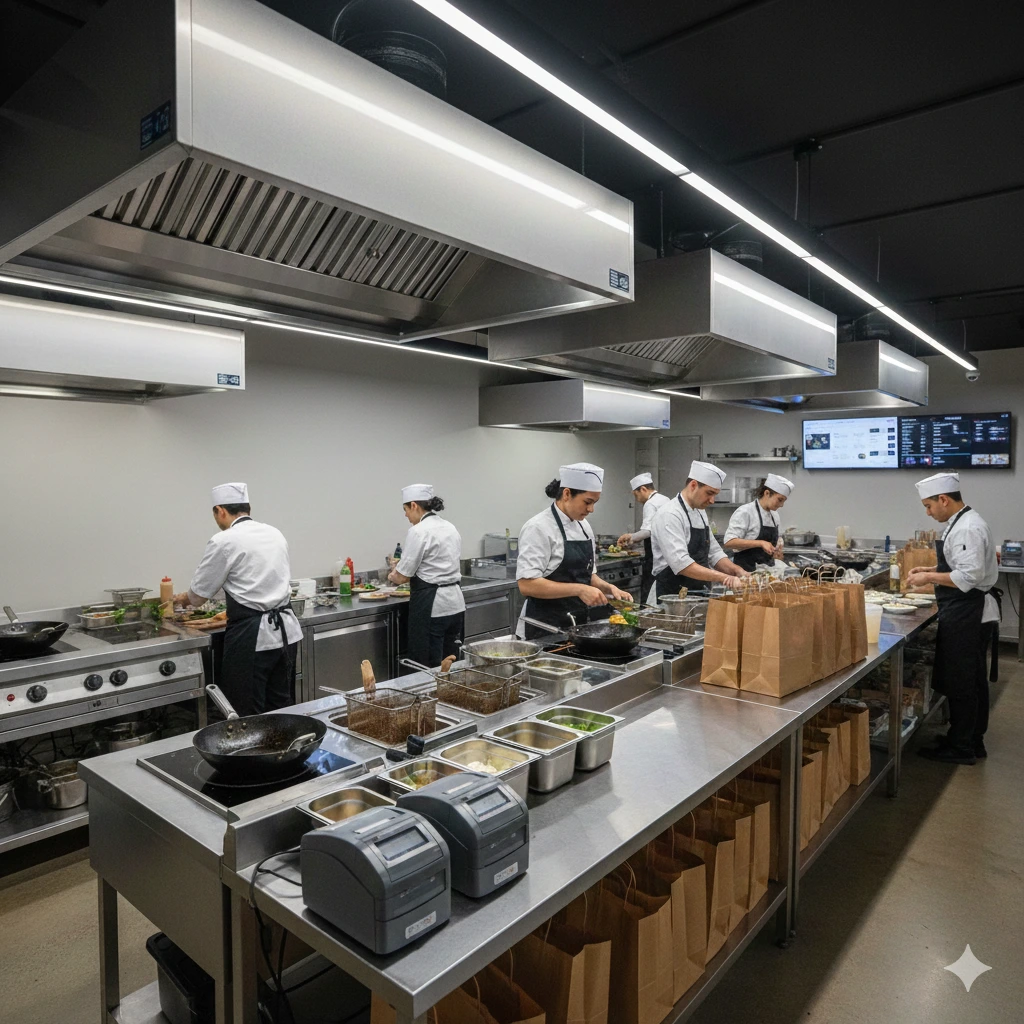
The food business landscape in India has changed rapidly over the last few years. With rising delivery demand and lower operational costs, many entrepreneurs are choosing cloud kitchens over traditional restaurants. While the idea of launching a delivery-only food brand sounds simple, the reality of a cloud kitchen setup involves several legal, compliance, and operational steps that new business owners often underestimate.
From business registration and GST to FSSAI licensing and ongoing compliance, missing even one requirement can lead to fines, platform rejections, or business shutdowns. At the same time, food entrepreneurs are also expected to build a digital presence, partner with delivery apps, and market their brand effectively—all while managing daily operations.
This article breaks down everything you need to know about cloud kitchen setup in a clear, practical way. It explains the most common challenges, outlines the essential registrations, and shows how a structured approach to compliance and digital growth can help you launch and scale your food business legally, quickly, and without confusion.
What Is a Cloud Kitchen and Why Is It Growing So Fast?
A cloud kitchen is a food business that operates without a dine-in space and focuses entirely on online orders and deliveries. Orders usually come through food delivery platforms, websites, or mobile apps.
The popularity of cloud kitchens is driven by:
- Lower startup and rental costs
- Faster launch timelines
- Ability to run multiple brands from one kitchen
- High demand for online food delivery
While the business model is efficient, cloud kitchen setup still requires full legal and food safety compliance, just like any other food business.
Key Legal Requirements for Cloud Kitchen Setup
Many first-time founders assume that because cloud kitchens do not have a storefront, compliance requirements are minimal. In reality, cloud kitchens must follow the same legal framework as restaurants.
The essential registrations include:
- Business registration (Proprietorship, LLP, or Private Limited Company)
- GST registration (mandatory for food delivery platforms)
- FSSAI registration or licence
- Local municipal or trade licence (depending on location)
Skipping or delaying these steps can cause problems during onboarding with delivery platforms or during inspections.
FSSAI Licence: The Backbone of Cloud Kitchen Setup
For any cloud kitchen setup, FSSAI compliance is non-negotiable. The Food Safety and Standards Authority of India regulates how food is prepared, stored, and sold.
Why FSSAI Is Critical for Cloud Kitchens
- Delivery platforms require a valid FSSAI licence
- Customers trust FSSAI-certified food brands
- Non-compliance can result in fines or closure
- It ensures hygiene and food safety standards
Depending on the scale of your operations, you may need a Basic Registration, State Licence, or Central Licence. Choosing the wrong category is one of the most common mistakes made by new food entrepreneurs.
Common FSSAI Challenges Faced by Cloud Kitchen Owners
Cloud kitchen founders often struggle with FSSAI compliance due to:
- Confusion about the correct licence type
- Incomplete or incorrect documentation
- Delays in approval or renewals
- Lack of awareness about inspection requirements
- Managing compliance while scaling multiple brands
This is where professional FSSAI licence related services play an important role. They ensure that your cloud kitchen setup meets all legal requirements without disrupting daily operations.
GST and Tax Compliance for Cloud Kitchens
GST registration is mandatory for cloud kitchens operating on platforms like Zomato and Swiggy. However, many new business owners are unsure about:
- GST rate applicability on food services
- Input tax credit eligibility
- Monthly and annual filing requirements
- Handling notices or mismatches
Errors in GST filings can lead to penalties and unnecessary stress. A structured tax compliance system ensures filings are accurate and deadlines are met, allowing founders to focus on business growth instead of paperwork.
Business Registration: Choosing the Right Structure
The legal structure of your cloud kitchen impacts taxation, scalability, and investor interest.
Common options include:
- Proprietorship: Simple and cost-effective for small setups
- LLP: Suitable for partnerships with limited liability
- Private Limited Company: Ideal for scaling, funding, and multi-brand expansion
Choosing the right structure at the cloud kitchen setup stage prevents complications later and supports long-term growth.
Digital Presence: A Must for Cloud Kitchen Success
A cloud kitchen lives online. Without a strong digital presence, even the best food struggles to reach customers.
Many small and medium food businesses face challenges such as:
- Managing multiple vendors for website, ads, and social media
- Poor visibility on search engines
- Unclear marketing performance metrics
- Inconsistent branding across platforms
An integrated digital growth system—covering website development, SEO, local listings, and performance tracking—helps cloud kitchens attract more orders and build brand recall.
How an Integrated Support System Simplifies Cloud Kitchen Setup
Instead of handling registrations, compliance, and marketing separately, many founders benefit from working with one partner who manages everything together.
A unified approach typically includes:
- Business registration and GST setup
- FSSAI registration, renewal, and compliance support
- Ongoing tax filings and legal assistance
- Website development and digital marketing
- Performance tracking and growth insights
This reduces coordination issues, saves time, and ensures consistency across all aspects of the business.
Practical Tips for a Smooth Cloud Kitchen Setup
Here are a few actionable tips for new cloud kitchen owners:
- Apply for FSSAI early to avoid launch delays
- Keep digital copies of all licences and certificates
- Track renewal dates for FSSAI and GST filings
- Display FSSAI licence numbers on menus and packaging
- Regularly review food safety and hygiene practices
These small steps help you stay compliant and build trust with customers and delivery platforms.
Why Compliance Is Essential for Long-Term Growth
Many entrepreneurs see compliance as a burden during cloud kitchen setup. In reality, it is a foundation for sustainable growth.
Proper compliance:
- Protects your business from legal risks
- Makes onboarding with delivery platforms easier
- Improves customer confidence
- Supports brand expansion and scalability
When compliance, registrations, and digital growth are aligned, cloud kitchens are better positioned to succeed in a competitive market.
Conclusion
A successful cloud kitchen setup goes far beyond renting a kitchen and listing on delivery apps. It requires careful planning, proper legal registrations, FSSAI compliance, and a strong digital presence. New food entrepreneurs and cloud kitchen owners who ignore these aspects often face delays, fines, or operational disruptions.
By understanding the legal and compliance requirements early and adopting a structured approach, you can launch your cloud kitchen smoothly and focus on what truly matters—great food and consistent growth. If you want to explore more resources on compliance, licensing, or building a scalable digital foundation for your food business, learning from experienced professionals can be a smart next step.
If you need this converted into WordPress HTML, Gutenberg blocks, or Elementor-friendly format, just say the word.